
Your skin has a built-in security system. It works quietly, day and night, keeping moisture in and irritants out. When that system breaks down, your skin lets you know. It stings when you apply moisturizer. It turns red for no clear reason. It feels tight after washing, even when you use the gentlest cleanser. These are not random problems. They are signs that your skin barrier is damaged.
Understanding what a damaged barrier looks like matters because the wrong response can make things worse. Many people treat these symptoms by adding more products, stronger actives, or frequent exfoliation. That approach often backfires. The barrier needs less, not more.
This article explains the most common signs of a damaged skin barrier. It also covers why these signs appear, what causes the damage in the first place, and what you can do to help your skin recover.
What The Skin Barrier Actually Does?

The outermost layer of your skin is called the stratum corneum. It is made of flat cells packed tightly together, like bricks in a wall. Between those cells are fats called lipids—ceramides, cholesterol, and fatty acids. These lipids act like mortar, holding the bricks in place and sealing the gaps.
On top of this structure sits a thin film of sweat and oil. This film keeps the surface slightly acidic, which helps healthy bacteria thrive and harmful ones stay in check.
Together, this system does three essential jobs. It holds water inside your skin so it stays soft and flexible. It blocks irritants, allergens, and pollution from getting in. And it helps control inflammation so your skin does not overreact to every little thing.
When any part of this system weakens, the whole barrier becomes less effective. Water escapes more easily. Irritants slip through. Inflammation flares up. Your skin starts sending distress signals.
Read Also: Skincare Routine For Sensitive Acne Prone Skin
The Most Common Signs Of A Damaged Skin Barrier
Stinging And Burning When You Apply Products
If your moisturizer suddenly feels like it is burning, that is not a sign that the product is "working." It is a sign that your barrier is compromised. When the protective lipid layer breaks down, nerve endings sit closer to the surface. Ingredients that normally feel neutral or soothing can trigger sharp, unpleasant sensations.
This reaction is especially telling when it happens with products you have used before without issue. A healthy barrier tolerates basic skincare. A damaged one reacts to almost everything.
Redness That Does Not Go Away
Some redness after exercise or a hot shower is normal. It fades within minutes. Redness caused by a damaged barrier lingers. It sits on your cheeks, nose, or forehead as a constant pink or red tint. It may deepen when you apply products or step into temperature changes.
This happens because inflammation stays active under the surface. Without an intact barrier to keep irritants out, your skin's immune system stays on high alert. The result is visible redness that never fully settles.
Tightness After Cleansing
Your face should feel clean after washing. It should not feel tight, dry, or uncomfortable. That tight feeling means your cleanser stripped away the lipids your skin needs to stay protected.
A healthy barrier holds water in. When the barrier is damaged, water evaporates quickly after cleansing. Your skin literally feels the loss. If you regularly experience post-cleanse tightness, your barrier is struggling.
Dryness That Moisturizer Cannot Fix
Dry skin and a damaged barrier are not the same thing, but they often go together. You can have dry skin and a healthy barrier. You cannot have a damaged barrier and truly comfortable skin.
When the barrier breaks down, moisture leaves your skin faster than you can replace it. You might apply moisturizer and feel relief for an hour, then feel dry again. The cream is not failing. Your barrier is failing to hold the water in.
Flaking And Rough Patches
Dead skin cells normally shed invisibly. When the barrier is damaged, this process gets disrupted. Cells pile up instead of falling away. You see flakes on your cheeks, around your nose, or along your jawline. The surface feels rough and uneven when you touch it.
Flaking is not always a sign of dryness. It can be a sign that your skin is trying to shed damaged cells but cannot do it properly because the barrier is not functioning.
Breakouts That Appear Out Of Nowhere
Acne and barrier damage have a complicated relationship. Acne treatments often damage the barrier. A damaged barrier makes acne worse.
When the barrier is weak, bacteria and irritants penetrate more easily. Inflammation increases. Pores get clogged with dead skin cells that would normally shed away. You end up with breakouts in places that were previously clear, or breakouts that do not respond to your usual acne products.
This cycle frustrates many people. They treat the acne with harsh products, which damages the barrier further, which causes more acne. Breaking the cycle requires addressing the barrier first.
Sensitivity To Things That Never Bothered You Before
Products you have used for years suddenly cause irritation. Fragrance that felt fine now makes your face itch. The sun feels harsher. Wind stings. Your skin reacts to things it used to ignore.
This heightened sensitivity happens because the barrier is no longer filtering out potential irritants. Everything gets through. Your skin's defense system fires constantly, and you feel the result as burning, itching, or stinging.
What Causes The Barrier To Break Down?
Barrier damage rarely happens overnight. It builds slowly through repeated stress. Understanding the causes helps you stop the damage before you try to repair it.
Over-cleansing strips away the lipids that hold the barrier together. Washing your face more than twice a day, using hot water, or choosing cleansers with harsh surfactants all pull the mortar out of the brick wall.
Exfoliating too often removes skin cells faster than your skin can replace them. Acids, scrubs, and exfoliating tools feel satisfying in the moment. Used too frequently, they leave the barrier raw and exposed.
Using too many active ingredients at once overwhelms your skin. Retinoids, vitamin C, acids, and benzoyl peroxide all stress the barrier to some degree. Layering them without breaks prevents your skin from recovering between applications.
Environmental factors wear down the barrier over time. Cold weather, low humidity, wind, and indoor heating all pull moisture from your skin. Pollution and UV exposure create free radicals that damage the lipids in the barrier.
Stress and poor diet affect the barrier from the inside. Chronic stress raises inflammation throughout the body, including the skin. Diets high in processed foods and sugar promote inflammation and may disrupt the gut bacteria that support skin health.
Underlying skin conditions like eczema, rosacea, and psoriasis involve barrier dysfunction as part of the disease process. In these cases, barrier damage is both a cause and a result of flare-ups.
You May Also Like: Minimalist Skincare Routine For Acne Prone Skin
How To Tell If It Is Barrier Damage Or Something Else?
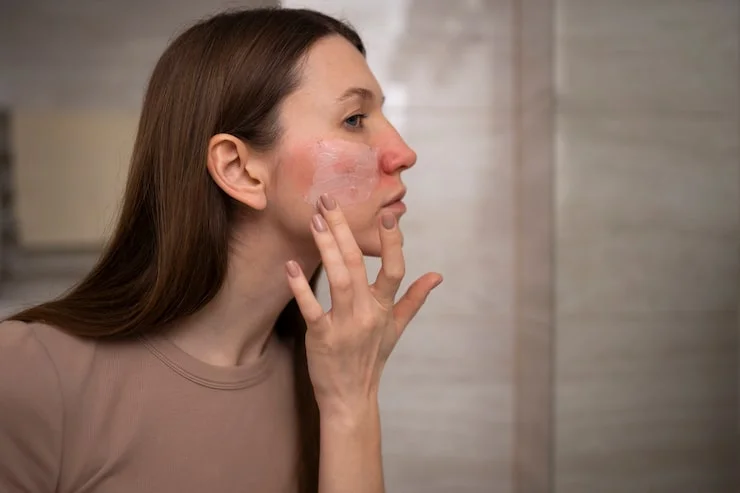
Barrier damage shares symptoms with many other skin issues. The key difference is the pattern. Barrier damage makes your skin reactive across the board. A true skin type does not cause burning or stinging when you apply a basic moisturizer. Barrier damage does.
If your skin problems started after you changed your routine, added a new active, or went through a stressful period, barrier damage is likely. If symptoms improve when you simplify your routine and worsen when you add products back, that confirms it.
When in doubt, strip your routine down to the basics for two weeks. Gentle cleanser. Simple moisturizer. Sunscreen. If your skin calms down, the barrier was the problem. If nothing changes or symptoms get worse, it is time to see a dermatologist.
What Helps Your Barrier Recover?
The good news is that the barrier can repair itself. Skin cells turn over on a roughly 28-day cycle. With the right conditions, noticeable improvement often appears within a few weeks.
Stop the damage first. Remove exfoliants, retinoids, acids, and anything that stings. Your skin cannot heal while you keep irritating it.
Cleanse gently. Use lukewarm water and a cream or milk cleanser. Wash once at night. In the morning, rinse with water alone if your skin feels dry or reactive.
Moisturize with barrier-supporting ingredients. Look for ceramides, cholesterol, fatty acids, and niacinamide. These ingredients replace what your barrier is missing. Apply moisturizer to damp skin to trap water in.
Protect from the environment. Sunscreen every day, even indoors near windows. A scarf or hat in cold weather. A humidifier in dry rooms.
Be patient. Barrier repair is not instant. Most people see meaningful improvement in two to four weeks with consistent gentle care. Some cases take longer, especially if the damage has been building for months.
Support from the inside. Omega-3 fatty acids, vitamin C, vitamin E, and zinc all play roles in skin repair and inflammation control. A diet rich in colorful vegetables, fatty fish, and whole grains supports the barrier from within.
When To See A Dermatologist?
Most barrier damage improves with gentle home care. See a doctor if your skin does not improve after a month of simplified routine, if you have severe pain, oozing, or signs of infection, or if you have an underlying condition like eczema or rosacea that is flaring badly.
A dermatologist can rule out other conditions, prescribe medication if needed, and guide you on how to reintroduce active ingredients safely once your barrier has recovered.
Frequently Asked Questions
How long does it take to repair a damaged skin barrier?
With consistent gentle care, most people see improvement in two to four weeks. Complete recovery may take longer depending on how severe the damage is and how long it has been present.
Can a damaged skin barrier cause acne?
Yes. Barrier damage allows irritants and bacteria to penetrate more easily, increases inflammation, and disrupts the shedding of dead skin cells. All of these factors can trigger or worsen breakouts.
Is a damaged skin barrier the same as sensitive skin?
No. Sensitive skin is a skin type you are born with. Barrier damage is a condition that develops from external factors. Barrier damage makes skin reactive and sensitive, but it can be repaired. True sensitive skin is managed, not cured.
Can I use actives while repairing my barrier?
It is best to pause exfoliants, retinoids, and strong acids until your skin stops stinging and redness settles. Once your barrier is stable, reintroduce one product at a time, slowly, and watch how your skin responds.
What is the fastest way to repair a damaged skin barrier?
Stop all irritating products. Use a gentle cleanser, a ceramide-rich moisturizer, and sunscreen. Keep your routine minimal. Give your skin time to heal without interference. There is no shortcut that works faster than removing the cause of the damage.
The Bottom Line
A damaged skin barrier shows up as stinging, redness, tightness, flaking, breakouts, and sensitivity. These signs mean your skin's protective layer is weakened and needs support, not more stress.
The fix is not complicated, but it requires patience. Simplify your routine. Use gentle products with barrier-supporting ingredients. Protect your skin from the environment. Let time do its work.