
If you are a woman in your forties and you feel like your body has suddenly changed the rules on you, you are not imagining it. The strategies that worked in your twenties and thirties—eating less, moving more, and watching the scale drop—often stop working entirely. You might be eating the same meals and exercising just as much, yet your waistline is expanding and your energy is flat. This is not a failure of willpower. It is a biological shift that requires a different approach.
This article will walk you through what is actually happening inside your body after forty and give you clear, practical steps to lose weight in a way that supports your health rather than fighting against your biology. No extreme diets, no punishing workouts, and no vague advice. Just the truth about what works for women in midlife.
Why Weight Loss Feels Different After 40?
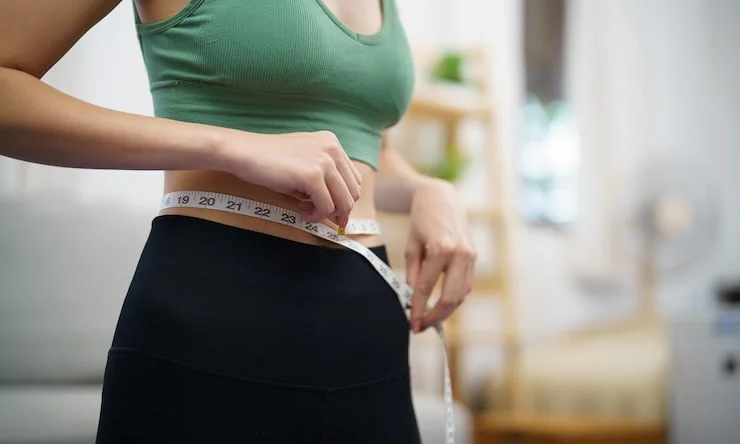
The most important thing to understand is that your body is not working against you. It is simply responding to a series of changes that happen around this age. Research shows that starting in your mid-forties, women begin to gain an average of one and a half pounds per year, and much of that gain settles around the healthy weight loss tips for women over 40.
Several factors combine to create this shift. The first is a natural decline in muscle mass. Women lose about half a pound of muscle every year starting around age forty, and this loss happens twice as fast in women as it does in men . Muscle is active tissue. It burns calories even when you are resting. When you lose muscle, your resting metabolic rate drops, which means you burn fewer calories doing absolutely nothing.
The second factor is hormonal. As you move through perimenopause—the years leading up to menopause—estrogen levels fluctuate and then decline. Estrogen plays a role in how your body distributes fat. When estrogen drops, fat that used to settle on your hips and thighs begins to accumulate around your abdomen instead . This is why so many women notice a change in their body shape even when the scale has not moved much.
The third factor is insulin. As estrogen drops, insulin levels can rise . Insulin is the hormone that helps your body use sugar for energy. When insulin is high, your body is more likely to store calories as fat rather than burn them. This combination of lower muscle mass, shifting hormones, and rising insulin creates an environment where weight gain happens easily and healthy weight loss tips for women over 40.
Read Also: High Protein Diet Plan for Fast Weight Loss
Eat More Protein, Not Less
One of the most common mistakes women make when trying to lose weight is cutting calories too aggressively. When you eat far less than your body needs, your body interprets this as a threat. It slows your metabolism, increases hunger hormones, and makes you more likely to binge later . For women over forty, this approach is especially counterproductive because severe calorie restriction accelerates muscle loss.
The better strategy is to focus on what you are eating rather than just how much. Protein should be the centerpiece of every meal. Protein supports muscle maintenance, keeps you full for longer, and requires more energy to digest than fats or carbohydrates. For women in midlife, the recommended intake is between 1.0 and 1.2 grams of protein per kilogram of body weight each day, with the higher end recommended for women who are active or trying to lose weight .
To put that into practice, a woman who weighs 150 pounds should aim for roughly 68 to 82 grams of protein daily. Spread this across your meals rather than eating it all at once. Aim for fifteen to thirty grams of protein at each meal . A breakfast of Greek yogurt with berries and a handful of nuts, a lunch of grilled chicken with vegetables, and a dinner of salmon with quinoa will get you there without feeling deprived.
Some experts suggest going even higher with breakfast specifically. Starting your day with a protein-rich meal sets the tone for stable energy and reduced cravings later in the day . Eggs, cottage cheese, or a protein smoothie are simple options that take minutes to prepare.
Fiber Is Your Quiet Ally
While protein gets most of the attention, fiber is equally important for women over forty. Fiber slows digestion, helps you feel full, and supports blood sugar regulation. The goal for women after forty is around twenty-five grams of fiber per day .
Most women fall far short of this target. The fix is not complicated. Add berries to your breakfast. Choose whole grains instead of refined ones. Eat the skin on your vegetables. Snack on nuts instead of crackers. These small changes add up quickly without requiring a complete overhaul of your diet.
Fiber also feeds the beneficial bacteria in your gut, which play a role in everything from immune function to mood. A healthy gut does not directly burn fat, but it supports the overall hormonal and metabolic environment that makes fat loss possible.
Lift Weights, Even If You Have Never Done It Before
If there is one form of exercise that is non-negotiable for women over forty, it is strength training. Cardio has its place, but it cannot replace the muscle-preserving effects of resistance training.
When you lose weight, your body loses both fat and muscle. Strength training tells your body to hold onto the muscle while the fat comes off. If you lose ten pounds through cardio alone, a significant portion of that loss will be muscle. If you lose ten pounds while lifting weights, you preserve more of your lean mass, which means your metabolism stays higher and you are less likely to regain the weight .
You do not need a gym membership or fancy equipment to start. Bodyweight exercises like squats, lunges, push-ups, and planks are effective. A set of dumbbells or resistance bands opens up more options. The key is consistency and progression. Aim for at least two strength sessions per week, and gradually increase either the weight you use or the number of repetitions you complete .
The benefits go far beyond weight loss. Strength training supports bone health, which becomes increasingly important as estrogen declines. It improves posture, reduces the risk of injury, and helps you maintain independence as you age. Many women find that lifting weights changes their relationship with their body in a positive way. Instead of focusing on what their body looks like, they start focusing on what it can do.
Move More Throughout the Day

Formal exercise is important, but the calories you burn during structured workouts make up only a small portion of your total daily energy expenditure. The larger share comes from something called non-exercise activity thermogenesis, or NEAT. This is the energy you burn through everyday movement—walking to the store, cleaning the house, taking the stairs, playing with your kids or pets .
For many women, NEAT is the missing piece. You do not need to run marathons. You need to move more throughout the day. Aim for seven thousand to ten thousand steps daily, spread across your waking hours . A short walk after meals is particularly effective because it helps your body process the sugar from your food more efficiently.
Walking is also gentler on your joints than high-impact exercise, which matters more as you get older. It supports heart health, reduces stress, and can be done almost anywhere without equipment. If you have a desk job, set a reminder to stand up and move every hour. Small changes in how you structure your day can add up to significant calorie burn over time.
You May Also Like: Keto Diet for Beginners: Complete Weight Loss Guide
Sleep Is Not Optional
It is tempting to treat sleep as the first thing to sacrifice when life gets busy. For women over forty, this is a mistake. Poor sleep disrupts the hormones that regulate appetite, increases cortisol, and makes weight loss significantly harder.
The hormonal changes of perimenopause themselves disrupt sleep. Falling estrogen affects the brain's temperature regulation, leading to night sweats and frequent waking. Lower progesterone, which normally has a calming effect, can increase nighttime alertness and anxiety . This creates a frustrating cycle: hormonal changes disrupt sleep, poor sleep makes weight loss harder, and the stress of struggling with weight makes sleep even worse.
Breaking this cycle requires treating sleep as a priority rather than a luxury. Keep your bedroom cool and dark. Avoid screens for an hour before bed. Limit caffeine after midday. If night sweats are severe, talk to your doctor about options. The effort you put into sleep will pay off in every other area of your health.
Manage Stress to Manage Your Waistline
Chronic stress raises cortisol, a hormone that encourages fat storage, particularly around the abdomen . Women in their forties often carry heavy loads—career demands, family responsibilities, aging parents, and the emotional labor of managing a household. This constant pressure keeps cortisol elevated and makes weight loss feel impossible.
You cannot eliminate all stress from your life, but you can change how your body responds to it. Gentle movement like walking, yoga, or stretching helps regulate the nervous system. Spending time in nature, even for ten minutes, lowers cortisol. Deep breathing exercises activate the relaxation response. The goal is not to be stress-free. The goal is to give your body regular opportunities to recover from stress so that cortisol levels can return to normal.
What to Expect and What to Ignore?
Healthy weight loss for women over forty is slower than it might have been in the past. A loss of one to two pounds per week is realistic, and some weeks the scale may not move at all even when you are doing everything right. This does not mean the plan is not working. Hormonal fluctuations, water retention, and muscle gain can mask fat loss on the scale.
Focus on how your clothes fit, how your energy levels feel, and how strong you are becoming. These are more reliable indicators of progress than the number on the scale.
Ignore any advice that promises rapid results through extreme calorie restriction, detoxes, or eliminating entire food groups. These approaches may produce short-term changes, but they almost always backfire for women in midlife. The goal is not just to lose weight. It is to build a body that is strong, functional, and healthy weight loss tips for women over 40.
Conclusion
The path to healthy weight loss after forty is not about doing more of what worked before. It is about doing different things. Prioritize protein at every meal. Eat fiber-rich foods that keep you full. Lift weights to preserve the muscle that keeps your metabolism strong. Move throughout the day, not just during workouts. Protect your sleep and manage your stress.
None of these steps are dramatic. None of them require you to overhaul your entire life overnight. But together, they create an environment where your body can release excess weight while becoming stronger and healthier in the process. Start with one or two changes. Master them. Then add another. Small, consistent actions over time will always beat drastic measures that you cannot sustain.