
My face has been oily since I was thirteen. Like really oily. You know those oil blotting sheets? I used to go through half a pack in one day. And the pimples. Always there. Chin. Forehead. Sometimes my cheeks. Those deep painful ones that take weeks to go away.
- I tried everything.
- Proactiv. That burned.
- Expensive department store creams. Wasted money.
- Natural stuff. Tea tree oil made me peel.
- I spent years figuring this out. Here is what actually skincare routine for oily acne prone skin.
Your Skin Is Not Broken
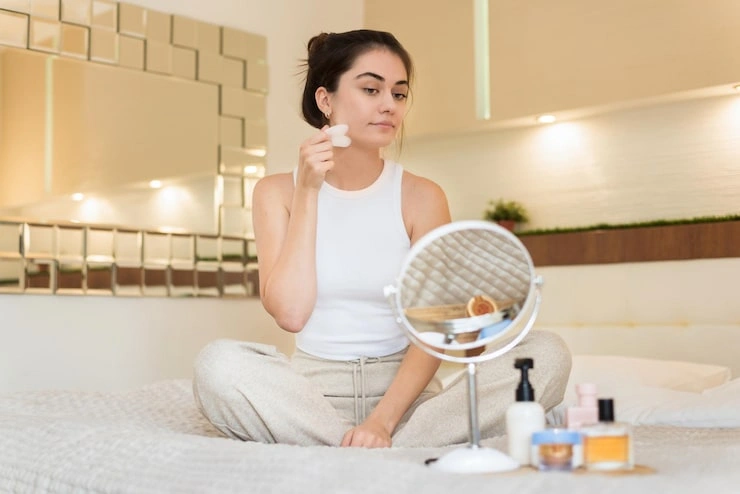
Oil glands are normal. They keep your skin protected. Without oil, your face would crack and flake. So oil itself is not bad. Some people just produce more. Genetics. Hormones. Stress. Diet. All play a part. The problem happens when oil mixes with dead skin. This plugs your pores. Bacteria grow. Inflammation happens. Pimple forms.
So the goal is not to eliminate oil. That is impossible. The goal is balance.
Read Also: Minimalist Skincare Routine For Acne Prone Skin
Common Mistakes
Let me tell you what I did wrong. Maybe you do these too.
Washing too much
I used to wash my face five times a day. Thought it would stop the oil. Made things worse. Stripping your skin makes it panic. Produces even more oil to compensate.
Skipping moisturizer
"My skin is oily," I thought. "No need for moisturizer." Wrong. Dehydrated skin produces more oil. The right moisturizer actually reduces oiliness.
Scrubbing hard
Those apricot scrubs. Felt good. Damaged my skin. Micro-tears. Bacteria gets in. More breakouts.
Using too many products
Layer after layer. Acids and retinoids and serums. My barrier gave up. Skin became sensitive and angry.
Picking
I still struggle with this. Squeezing pimples feels satisfying. But you push bacteria deeper. And you damage surrounding skin. That dark mark stays for months. Not worth it.
What Actually Works
Simple routine. Consistent. Daily.
Morning Steps
Cleanse
- Gel cleanser. Salicylic acid is good. It gets into your pores. Dissolves oil and dead skin.
- Wash with lukewarm water. Not hot. Not cold.
- Use your fingertips. Gentle circles. About sixty seconds.
- Rinse completely.
- Pat dry with a clean towel. Fresh towel. Dirty towels have bacteria.
Moisturize
- Lightweight gel. Nothing thick. Oil-free on the label.
- Apply while skin is still slightly damp. Helps absorption. Pea-sized amount.
Sunscreen
- This is non-negotiable.
- SPF 30 minimum.
- Find a gel formula. Fluid texture. Oil-free. Non-comedogenic.
- Every day. Rain or shine. Indoors or outdoors. UV rays come through windows.
Evening Steps
Cleanse
- Same cleanser.
- Wash off the day. Oil. Sweat. Pollution. Sunscreen. Bacteria.
- If you wear makeup, wash twice. First to remove surface stuff. Second to actually clean.
Treat
This is your active step.
- Salicylic acid serum. Keeps pores clear.
- Niacinamide. Calms redness. Regulates oil production. Gentle enough for daily use.
- Benzoyl peroxide. Spot treatment. Dab on active pimples. Do not spread all over. It is drying.
- Retinoids. Prescription only. Very effective. Start slow. Every other night. Expect some peeling at first.
Moisturize
- Again. Even after treatments.
- Treatments dry your skin. Moisturizer counteracts that.
- Same gel moisturizer as morning.
Weekly Additions
Not daily. Once a week.
Exfoliate
- Chemical exfoliant. Glycolic acid. Lactic acid.
- Dissolves dead skin cells. Prevents clogs.
- Apply. Leave for five to ten minutes. Rinse.
- Do not overdo. Once weekly. Twice maximum.
Clay mask
- Absorbs oil. Draws out impurities.
- Apply thin layer. Wait ten minutes. Rinse before fully dry.
- Follow with moisturizer.
Lifestyle Things
Products help. But other stuff matters too.
Stop touching your face
- This is hard. We do it unconsciously. Resting chin on hand. Pushing hair back.
- Bacteria from your hands transfers. Causes breakouts.
Change your pillowcase
- Oil from your skin and hair accumulates. Press your face into it every night.
- Change every two days.
Clean your phone
Phone touches your cheek. Has bacteria. Wipe daily with alcohol.
Manage stress
- Stress increases cortisol. Cortisol increases oil. More oil means more clogs.
- Exercise helps. Sleep helps. Breathing exercises help.
Watch your diet
- Sugar spikes insulin. Insulin can increase oil.
- Dairy bothers some people. Not everyone. Test it yourself.
Sleep enough
- Seven to eight hours. Consistent schedule.
- Poor sleep = more inflammation = worse acne.
Good Ingredients
- Salicylic acid. Unclogs pores. Gentle.
- Benzoyl peroxide. Kills bacteria. Effective. Drying.
- Niacinamide. Regulates oil. Reduces redness.
- Hyaluronic acid. Hydrates without oil.
- Ceramides. Repair barrier.
You May Also Like: Retinol vs Vitamin C: Which Is Better for Your Skin
Bad Ingredients
- Alcohol denatured. Strips skin. Causes rebound oiliness.
- Fragrance. Unnecessary. Can irritate.
- Essential oils. Many people react to them.
- Heavy oils. Coconut. Mineral. Shea. Clog pores.
- Thick creams. Too rich for oily skin.
Purging

- When you start new products, you might break out more.
- This is called purging. Active ingredients bring clogs to the surface faster. Temporary. Lasts four to six weeks.
- How to tell if it is purging or reaction?
- Purging happens in your usual breakouts areas.
- Reaction causes breakouts in new areas.
- Purging resolves with continued use.
- Reaction gets worse over time.
When To See A Doctor?
- Skincare helps mild acne. Not all acne.
- See a dermatologist if:
- Cysts. Large. Painful. Under the skin.
- Dark marks. They take forever to fade.
- Three months of consistent routine. No improvement.
- Your mental health is affected. Acne is a medical condition. Do not feel bad about getting help.
- Dermatologists have stronger options. Prescription retinoids. Oral medications. Antibiotics. Spironolactone. Isotretinoin for severe cases.
Be Patient
- This is the hardest part.
- Nothing works overnight.
- Skin takes time to respond. At least a month. Often three months.
- Stick with your routine. Every day. Do not skip.
- Consistency beats intensity.
- I saw improvement after two months. It was gradual. One week I noticed I had fewer pimples. Next week less oil. Then my dark marks started fading.
- Not dramatic. Not overnight. Skincare routine for oily acne prone skin.
My Routine Now
Morning
- Wash with salicylic acid gel.
- Moisturize with gel.
- Sunscreen.
Night
- Wash with same cleanser.
- Niacinamide serum.
- Moisturize.
- Once a week
- Glycolic acid exfoliant.
- Sometimes a clay mask.
- That is it. Six steps total. Simple.
What I Stopped Doing?
- No more fancy toners.
- No more multiple serums.
- No more scrubs.
- No more picking at my face. Mostly. I still slip sometimes.
Final Words
Your skin can improve. Mine did. Not perfect. Still get occasional breakouts. Still oily sometimes. But manageable. The key is simple. Gentle cleanser. Light moisturizer. Sunscreen. One treatment product. Patience. Do not buy into hype. Do not believe quick fixes. Do not compare yourself to filtered photos. Healthy skin has texture. Healthy skin produces oil. Healthy skin sometimes breaks out. That is normal.