
Have you ever consumed all of your fruit, vegetables and other healthy food items and still felt your hair fall out? It's confusing and even frightening. It is essential to be aware of Healthy Diet But Still Hair Loss Causes. It's not just related to what you eat. In some cases, even if you're eating well Other factors like hormones, stress, or the health of your body could cause hair to fall out. In this post, we discover why loss of hair is possible, even when you are eating a healthy diet, as well as the best ways to keep your hair healthy and shining.
How Hair Grows
Before discussing the reasons how hair sheds and why it's important to be aware of how hair grows. Every hair is born from small pockets within the skin, referred to as an hair Follicle. The hair grows on cycles:
- Phase of growth (Anagen) - Hair is growing rapidly.
- The resting phase (Telogen) - Hair is not growing, but it remains inside the hair follicle.
- The Shedding Phase (Exogen) - Hair disappears and new hair begins to grow.
It is normal to lose hair each day. is quite normal. People lose around 50 to 100 hairs per every day but it's normal. If hair falls shorter than it grows, it may result in obvious hair loss or hair-loss spots.
Common Causes of Hair Loss Even on a Healthy Diet
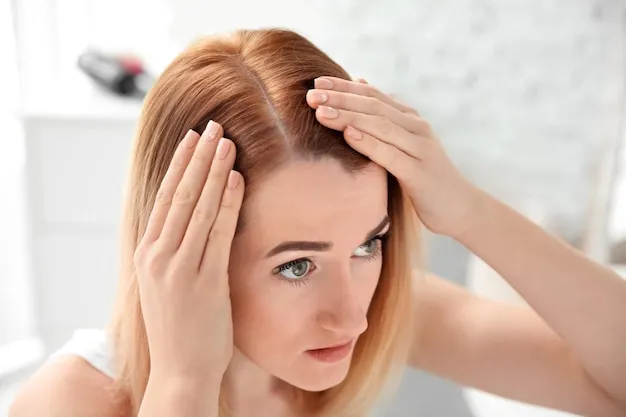
1. Stress and Anxiety
Even when you are eating a healthy diet being stressed, anxious or stressed may cause hair loss out. If your body is in pressure, it communicates to the hair follicles in order to hinder growth or prevent the growth of hair. The type of loss in hair is known as Telogen Effluvium.
Examples: If you are anxious about your exams or have experienced a significant transition in your life, then you might notice a lot an increase in hair growth on your pillow or even in your shower.
2. Hormonal Changes
Hormones act as small messengers within our bodies that regulate numerous things, like the growth of hair. Hormones that are altered can cause hair loss.
- Thyroid issues: The thyroid gland regulates metabolism. When it's not working effectively, hair will get thinner.
- The puberty process: In the course of growth hormones can change, and hair may be shed faster than it normally does.
- Menstrual cycle and pregnancy: For girls, hormonal changes can impact the growth of hair.
3. Genetics
Hair loss can be a part of the family. If your grandparents or parents suffered from hair loss or bald spots, then you may be affected. This kind of hair loss is known as androgenetic Alopecia or pattern baldness for females and males.
Tips: Genetics is something that you can't change. However, there are strategies to reduce loss of hair and to make it healthier.
Read also: What Hair Falls Out First With Chemo
4. Vitamin and Mineral Deficiencies
Even when you are eating a healthy diet it is possible that your body will not get sufficient nutrients. Certain minerals and vitamins are vital to hair health:
- Iron Aids in the transport of oxygen through the hair follicles. Iron deficiency can lead to loss of hair.
- Vitamin D Aids in the growth of hair follicles in a proper way.
- Zinc Maintains healthy hair and robust.
- Biotin (Vitamin B7): Supports hair growth.
Notice: Eating healthy is beneficial, however sometimes your body requires special nutrients or it may be difficult absorption.
5. Medical Conditions
A few health conditions can make hair fall out, even if you eat a healthy diet:
- Autoimmune disease: Your body attacks the hair follicles of its own.
- Skin disorders: Such as eczema or scalp infection.
- Chronic illness: Like diabetes or liver disorders.
If the loss of hair is sudden or extreme, it's crucial to consult a physician.
6. Medications
Some medications may cause hair loss in the form of a side effect for example:
- The treatment for acne and hormonal disorders.
- Blood thinners.
- High blood pressure medications.
Always consult a physician prior to stopping any medication.
7. Hair Care and Styling
Healthy food alone won't be able to protect hair from the damage that can be that is caused by
- Utilizing the hot tool such as curlers and straighteners frequently.
- Regular coloring of the hair, or chemical treatment.
- Hairstyles that are tight like braids, ponytails or buns.
This can cause hair to break and make it fall out.
How to Keep Hair Healthy
If you do lose your hair it is possible to keep it strong and healthier.
1. Eat a Balanced Diet
An energizing diet remains essential for healthy hair.
- Proteins: Eggs, fish, chicken, beans.
- Foods and Vegetables Vitamins and antioxidants.
- Healthy fats: Avocado, nuts, seeds.
- Whole grain: Oats, brown rice and wheat.
2. Reduce Stress
- Do breath exercises that require deep breathing.
- Spend time with your family to engage in activities or play.
- Be sure to get plenty of to sleep each at night.
3. Gentle Hair Care
- Shampoo your hair using gentle shampoo.
- Do not shave wet hair rough.
- Limit hot styling tools.
- Do not wear hairstyles which cause hair to be pulled too tightly.
4. Check for Medical Causes
If the loss of hair is extreme you should consult a physician. The causes could include:
- Check hormone levels.
- Examine for mineral or vitamin deficiency.
- Provide treatment options for medical issues which affect hair.
5. Hair Supplements (If Needed)
A doctor might prescribe supplements like:
- Tablets of zinc or iron.
- Vitamin D or biotin.
Note: Take supplements only on advice from a doctor. A high dose of certain supplements can cause harm.
6. Hair Treatments
In certain instances, treatments such as minoxidil or PRP treatment can help, however it is best to do them with the guidance of a medical professional.
Read also: Best Hair Care Tips For Damaged Hair
Fun Facts About Hair
- The average hair growth rate is 1.25 centimeters each month.
- A typical human's head has between 100,000-150,000 hairs on their heads.
- Hair is made up of proteins called keratin..
When to Worry About Hair Loss
The majority of hair loss is normal. But consult your doctor if you experience:
- A sudden appearance of bald patches.
- Hair escaping in -clumps.
- The scalp turns painful, red, itchy or pain.
- The loss of hair continues throughout the month without any improvements.
A timely treatment could help stop the loss of more hair.
Conclusion
Healthy eating is vital to your overall health as well as hair growth, however it's not the only reason that hair remains healthy. Genetics, stress, hormones and medical issues, vitamins as well as hair care practices as well as medications, can impact the growth of your hair.
If you take proper care of your body by reducing stress, examining your vitamin levels, and securing the hair you have, you are able to maintain your hair's health. Be aware that some loss of hair can be normal and you're not the only one in the event that it occurs. Hair that is healthy is the result of good nutrition as well as gentle treatment and living a healthy, happy life!